
.png)
Essential Home Security Tips for Homeowners

Updated: Jan 5
Understand the Risks
Before implementing security measures, it's essential to understand the risks your home may face. Research shows that homes without security systems are three times more likely to be broken into. Factors that can increase your risk include:
Location: Urban areas typically have higher crime rates than rural ones.
Visibility: Homes that are hidden from view or have overgrown landscaping can attract intruders.
Time of Day: Most burglaries occur during the day when homeowners are at work or school.
By understanding these risks, you can tailor your security measures to address specific vulnerabilities.
Invest in a Quality Security System
One of the most effective ways to deter intruders is by investing in a quality security system. Here are some features to consider:
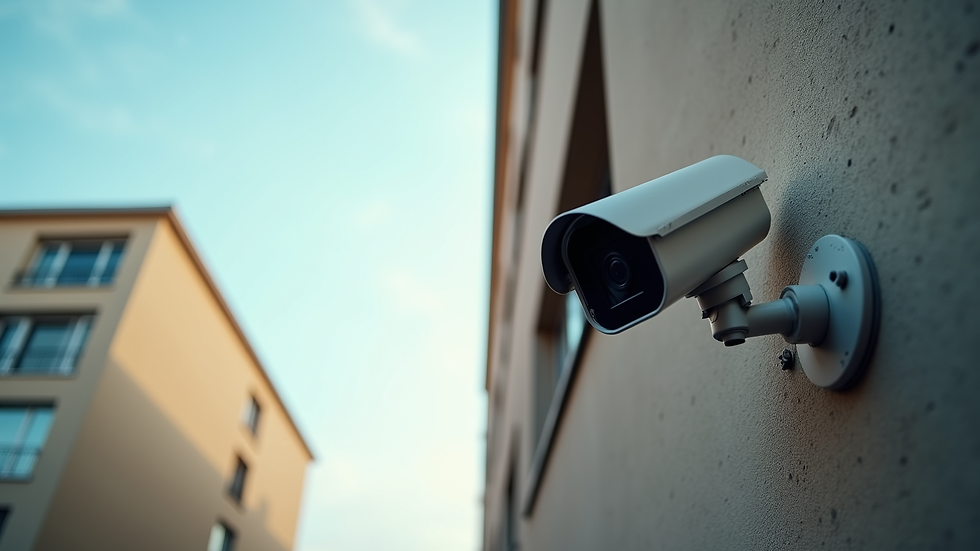
Cameras: Install both indoor and outdoor cameras to monitor your property. Look for systems that offer remote access via smartphone apps.
Motion Sensors: These can alert you to any unusual activity around your home.
Alarm Systems: A loud alarm can scare off potential intruders and alert neighbours.
When choosing a security system, consider your budget and the specific needs of your home. Many companies offer customizable packages to fit various requirements.
Secure All Entry Points
Intruders often look for easy access points into your home. To minimise this risk, ensure that all entry points are secure:
Doors: Use solid core or metal doors with deadbolt locks. Reinforce door frames and install peepholes or smart doorbells.
Windows: Install window locks and consider using security film to make glass harder to break. Keep windows closed and locked when not in use.
Garages: Ensure garage doors are closed and locked. Consider installing a smart garage door opener that can be controlled remotely.
Regularly inspect these entry points for any signs of wear or damage, and address any issues promptly.
Enhance Outdoor Lighting
Proper outdoor lighting can significantly deter intruders. Here are some tips for effective outdoor lighting:
Motion-Activated Lights: These lights turn on when they detect movement, startling potential intruders and alerting you to their presence.
Pathway Lights: Illuminate walkways and entry points to make it more difficult for intruders to approach unnoticed.
Floodlights: Install floodlights around your home to provide bright, broad illumination.
Aim to create a well-lit environment that minimises dark areas where intruders could hide.
Maintain Your Landscape
A well-maintained landscape can enhance your home's security. Here are some landscaping tips to consider:
Trim Shrubs and Trees: Keep bushes and trees trimmed to eliminate hiding spots for intruders. Ensure that windows are visible from the street.
Use Thorny Plants: Consider planting thorny bushes near windows and fences to deter intruders.
Secure Fencing: Install a sturdy fence around your property, and ensure gates are locked.
By maintaining your landscape, you can create a less inviting environment for potential intruders.
Get to Know Your Neighbours
Building relationships with your neighbours can enhance your home's security. Here’s how:
Neighborhood Watch: Join or start a neighbourhood watch program to keep an eye on each other's properties.
Communication: Share contact information with neighbours so you can alert each other to suspicious activity.
Regular Check-ins: When going on holiday, ask a neighbour to keep an eye on your home and collect your mail.
A strong community can act as an additional layer of security for your home.
Use Smart Technology
Smart home technology can enhance your security measures. Consider integrating the following devices:
Smart Locks: These allow you to lock and unlock doors remotely and provide temporary access codes for guests.
Video Doorbells: These devices let you see and communicate with visitors at your door, even when you are not home.
Home Automation: Use smart lighting and appliances to create the illusion that someone is home, even when you are away.
By leveraging smart technology, you can enhance your home security and gain greater control over your property.
Create an Emergency Plan
Having an emergency plan in place can help you respond effectively in the event of a break-in. Here are some steps to consider:
Designate Safe Areas: Identify safe areas in your home where family members can go during an emergency.
Establish Communication: Ensure everyone in your household knows how to contact emergency services and each other.
Practice Drills: Regularly practice your emergency plan to ensure everyone knows what to do in case of a break-in.
Being prepared can help reduce panic and confusion during a stressful situation.
Keep Valuables Out of Sight
Intruders are often motivated by the potential for valuable items. To minimise this risk:
Secure Valuables: Store valuable items such as jewelry, electronics, and important documents in a safe or hidden location.
Avoid Advertising: Don’t leave valuable items in plain sight, especially near windows. Use curtains or blinds to obscure views into your home.
Inventory Your Belongings: Keep a detailed inventory of your valuables, including photos and serial numbers, to assist in recovery if stolen.
By keeping valuables out of sight, you can reduce the temptation for potential intruders.
Regularly Review and Update Security Measures
Home security is not a one-time effort. Regularly reviewing and updating your security measures is crucial. Here’s how to stay proactive:
Assess Vulnerabilities: Periodically evaluate your home for new vulnerabilities, especially after any renovations or changes to your landscape.
Stay Informed: Keep up with local crime trends and adjust your security measures accordingly.
Upgrade Technology: As technology advances, consider upgrading your security system to include the latest features.
By staying vigilant and proactive, you can maintain a secure home environment.
Conclusion
Protecting your home from intrusions requires a combination of awareness, preparation, and proactive measures. By investing in a quality security system, securing entry points, enhancing outdoor lighting, and building relationships with neighbours, you can significantly reduce the risk of a break-in. Remember, a secure home is a happy home. Take action today to implement these tips and safeguard your property and loved ones.
For more information on preventive security, visit Safe Security Assessment.

Comments