
.png)
Understanding Online Security Evaluations: A Guide to Physical Security Audits

When it comes to protecting your home or business, understanding the security measures in place is crucial. One effective way to do this is through a physical security audit. Today, many of these audits can be conducted online, making the process more accessible and convenient. In this post, I will walk you through what online security evaluations involve, why they matter, and how you can benefit from them.
What Are Online Security Evaluations?
Online security evaluations are assessments conducted remotely to review the physical security of a property or facility. Instead of an auditor visiting your location in person, they use digital tools, video calls, and submitted documentation to evaluate your security setup. This method saves time and resources while still providing a thorough review.
These evaluations focus on various aspects such as access control, surveillance systems, lighting, and emergency preparedness. The goal is to identify vulnerabilities before they can be exploited.
Why Choose Online Security Evaluations?
Convenience: You can schedule and complete the audit without disrupting your daily routine.
Cost-effective: No travel expenses or on-site visits reduce overall costs.
Speed: Faster turnaround times for reports and recommendations.
Flexibility: Audits can be done for multiple locations without logistical challenges.
Key Components of a Physical Security Audit
A physical security audit examines all the elements that protect your property. Here are the main components typically reviewed during an online security evaluation:
1. Perimeter Security
This includes fences, gates, walls, and barriers that prevent unauthorized access. The audit checks for weak points such as broken fences or unlocked gates.
2. Access Control Systems
These systems regulate who can enter your property. Examples include locks, keycards, biometric scanners, and security personnel. The audit assesses whether these controls are effective and properly managed.
3. Surveillance and Monitoring
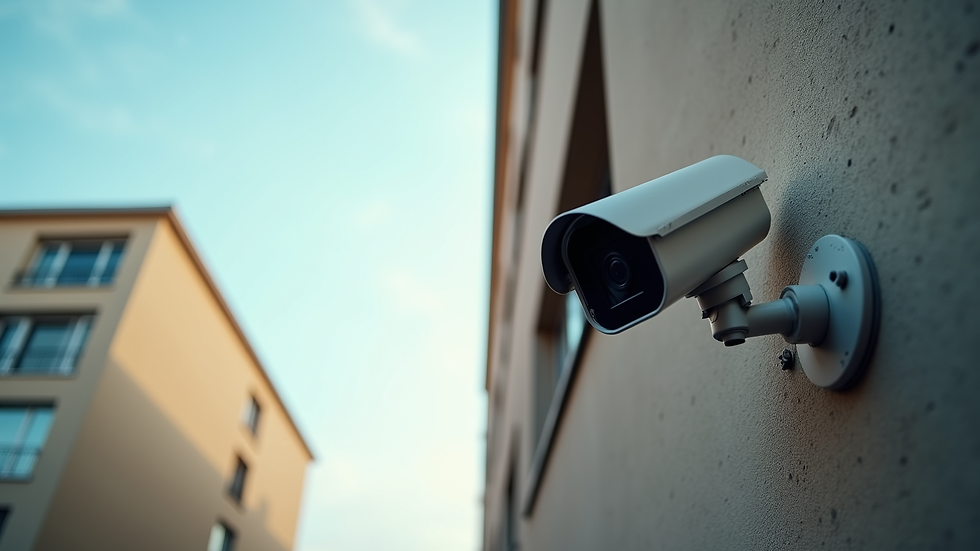
CCTV cameras and alarm systems are vital for detecting and deterring intruders. The evaluation looks at camera placement, coverage, and recording quality.
4. Lighting
Proper lighting reduces hiding spots and increases visibility. The audit reviews whether outdoor and indoor lighting is adequate, especially around entry points.
5. Emergency Preparedness
This involves checking fire alarms, evacuation plans, and communication systems to ensure safety during emergencies.
By carefully examining these areas, the audit helps you understand where improvements are needed.
How to Prepare for an Online Physical Security Audit
Preparing for an online audit is straightforward but requires some organisation. Here are practical steps to get ready:
Gather Documentation: Collect floor plans, security policies, and any previous audit reports.
Take Photos and Videos: Provide clear images of your property’s exterior and interior, focusing on security features.
Schedule a Virtual Walkthrough: Arrange a video call with the auditor to show key areas live.
List Security Equipment: Make an inventory of cameras, alarms, locks, and other devices.
Identify Concerns: Note any incidents or vulnerabilities you have noticed.
Being prepared helps the auditor conduct a thorough review and provide useful recommendations.

Benefits of a Physical Security Audit Online
Choosing a physical security audit online offers several advantages that can enhance your security strategy:
Objective Assessment: An external auditor provides an unbiased view of your security.
Tailored Recommendations: You receive specific advice suited to your property and needs.
Improved Risk Management: Identifying risks early helps prevent incidents.
Compliance: Ensures your security measures meet legal and industry standards.
Peace of Mind: Knowing your property is secure reduces stress and uncertainty.
By embracing online audits, you can maintain a high level of security without the hassle of in-person visits.
Implementing Audit Recommendations Effectively
After receiving your audit report, the next step is to act on the findings. Here’s how to make the most of the recommendations:
Prioritise Risks: Focus first on vulnerabilities that pose the greatest threat.
Create an Action Plan: Set clear goals, timelines, and responsibilities for improvements.
Invest Wisely: Allocate budget to upgrades that offer the best security return.
Train Staff and Family: Ensure everyone understands security protocols and their role.
Review Regularly: Schedule follow-up audits to track progress and adapt to new threats.
Taking these steps will help you build a safer environment that protects people and assets.
Looking Ahead: Staying Ahead of Security Threats
Security is not a one-time task but an ongoing process. Technology and tactics used by intruders evolve, so your security measures must keep pace. Regular online security evaluations allow you to stay informed and proactive.
Remember, prevention is always better than reaction. By understanding your vulnerabilities and addressing them early, you reduce the chance of costly incidents.
I encourage you to consider an online physical security audit as a practical and effective way to safeguard your property. It’s a smart investment in your peace of mind and safety.
If you want to learn more about how to protect your home or business, keep exploring resources and stay engaged with security best practices. Your safety is worth the effort.



Comments