
.png)
Creating Safe Spaces: Architectural Security Solutions

In today's world, the need for safety and security has never been more pressing. As urban environments grow and evolve, so do the challenges associated with ensuring the safety of individuals in public and private spaces. Architectural security solutions are essential in creating safe environments that protect people while enhancing their experience. This blog post will explore various architectural security solutions, their importance, and how they can be effectively implemented to create safe spaces.

Understanding Architectural Security
Architectural security refers to the design and implementation of physical structures and systems that enhance safety and security. This encompasses a wide range of elements, including:
Building Design: The layout and structure of a building can significantly impact its security. For example, open spaces can deter crime by increasing visibility, while poorly lit areas can create hiding spots for potential threats.
Access Control: This involves managing who can enter a building or specific areas within it. Access control systems can include key cards, biometric scanners, and security personnel.
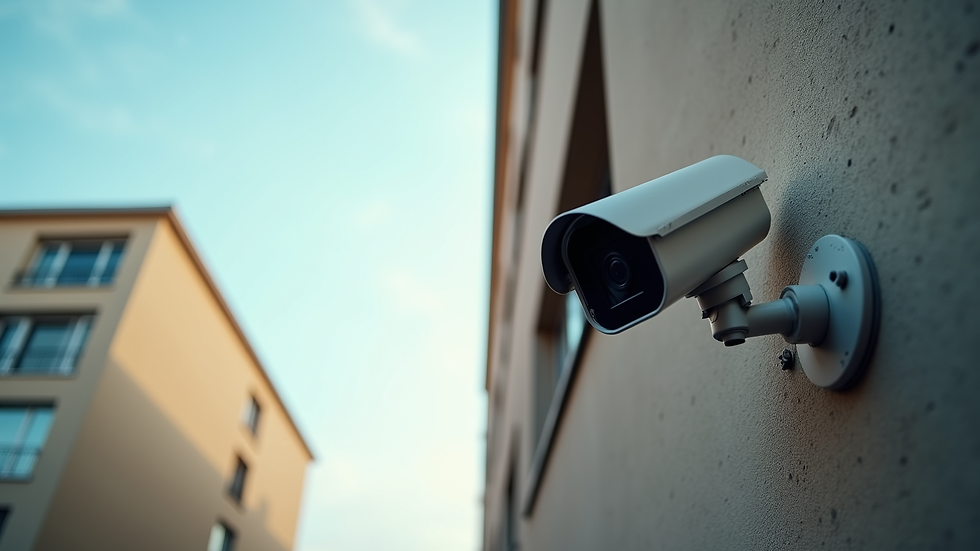
Surveillance Systems: Cameras and monitoring systems play a crucial role in deterring crime and providing evidence in case of incidents.
Physical Barriers: Fences, walls, and other barriers can help protect a property from unauthorized access.
The Importance of Architectural Security
The importance of architectural security cannot be overstated. Here are some key reasons why it is essential:
Protection of Lives: The primary goal of architectural security is to protect individuals from harm. By implementing effective security measures, the risk of injury or loss of life can be significantly reduced.
Deterrence of Crime: Visible security measures, such as surveillance cameras and well-lit areas, can deter potential criminals from targeting a location.
Peace of Mind: Knowing that a space is secure allows individuals to feel safe and comfortable, whether they are at home, work, or in public areas.
Asset Protection: Architectural security helps protect valuable assets, including property, equipment, and sensitive information.
Compliance with Regulations: Many industries have specific security requirements that must be met. Implementing architectural security solutions can help organizations comply with these regulations.
Key Architectural Security Solutions
1. Crime Prevention Through Environmental Design (CPTED)
Crime Prevention Through Environmental Design (CPTED) is a proactive approach that focuses on modifying the physical environment to reduce opportunities for crime. Key principles of CPTED include:
Natural Surveillance: Designing spaces to maximize visibility, such as using large windows and open layouts, can help deter criminal activity.
Territorial Reinforcement: Clearly defining boundaries through landscaping, fencing, and signage can create a sense of ownership and discourage unauthorized access.
Access Control: Limiting entry points and using physical barriers can help manage who enters a space.
2. Integrated Security Systems
Integrated security systems combine various security measures into a cohesive solution. This can include:
Access Control Systems: These systems manage who can enter a building or specific areas within it. They can include key cards, biometric scanners, and mobile access solutions.
Surveillance Cameras: Modern surveillance systems can provide real-time monitoring and recording, helping to deter crime and provide evidence if needed.
Alarm Systems: Intrusion detection systems can alert security personnel or law enforcement in case of unauthorized access.
3. Smart Building Technology
The rise of smart building technology has transformed architectural security. Key features include:
IoT Devices: Internet of Things (IoT) devices can monitor various aspects of a building, from temperature to security breaches, providing real-time data for better decision-making.
Automated Access Control: Smart locks and access systems can be managed remotely, allowing for greater flexibility and control over who can enter a space.
Data Analytics: Analyzing data from security systems can help identify patterns and potential vulnerabilities, allowing for proactive measures to be taken.
4. Physical Barriers and Landscaping
Physical barriers, such as fences and walls, play a crucial role in architectural security. Effective landscaping can also enhance security by:
Creating Natural Barriers: Thorny bushes or dense vegetation can deter unauthorized access while enhancing the aesthetic appeal of a property.
Improving Visibility: Keeping landscaping well-maintained ensures that potential hiding spots for criminals are minimized.
5. Emergency Preparedness and Response
Architectural security should also include plans for emergency preparedness and response. This can involve:
Evacuation Plans: Clearly marked exits and well-planned evacuation routes can help ensure safety during emergencies.
Training and Drills: Regular training for staff and occupants on emergency procedures can improve response times and effectiveness during a crisis.
Case Studies: Successful Implementation of Architectural Security Solutions
Case Study 1: Urban Park Revitalization
A city park faced issues with crime and vandalism, leading to decreased usage by the community. To address this, the city implemented CPTED principles by:
Increasing natural surveillance through the removal of dense shrubbery and the addition of open seating areas.
Installing well-placed lighting to enhance visibility at night.
Creating defined pathways to guide foot traffic and discourage loitering.
As a result, the park saw a significant decrease in crime and an increase in community engagement.
Case Study 2: Corporate Office Security Upgrade
A corporate office building sought to enhance its security measures after a series of break-ins. The company implemented an integrated security system that included:
Upgrading to biometric access control for employees.
Installing a network of surveillance cameras with remote monitoring capabilities.
Conducting regular security audits to identify vulnerabilities.
These measures led to a marked improvement in security, with no reported incidents in the following year.
Challenges in Implementing Architectural Security Solutions
While the benefits of architectural security solutions are clear, there are challenges in their implementation:
Cost: High-quality security systems can be expensive, and budget constraints may limit options.
Balancing Aesthetics and Security: Striking a balance between a welcoming environment and effective security measures can be challenging.
Technological Integration: Ensuring that various security systems work together seamlessly can require significant planning and expertise.
Future Trends in Architectural Security
As technology continues to evolve, so will architectural security solutions. Some emerging trends include:
Artificial Intelligence: AI can enhance surveillance systems by analyzing video feeds in real-time to identify potential threats.
Biometric Security: The use of biometric data, such as facial recognition and fingerprint scanning, will likely become more prevalent in access control systems.
Sustainable Security Solutions: As sustainability becomes a priority, integrating eco-friendly materials and practices into security measures will be essential.
Conclusion
Creating safe spaces through architectural security solutions is vital in today's world. By understanding the importance of security and implementing effective measures, we can protect lives, deter crime, and enhance the overall experience of individuals in various environments. As technology advances, the potential for innovative security solutions will continue to grow, making it essential for architects, planners, and security professionals to stay informed and proactive in their approach to safety.
By prioritizing architectural security, we can build a safer future for everyone.

Comments